Signs of an Eating Disorder in Children: What Teachers Can Look For
A guide for teachers on recognising the early signs of an eating disorder, beyond weight and appearance
If a child in your class seems different lately, and you're not quite sure why, trust that instinct.
Teachers are often the first adults outside the home to notice when something has changed, which puts educators in a genuinely powerful position when it comes to early recognition of eating disorders in children.
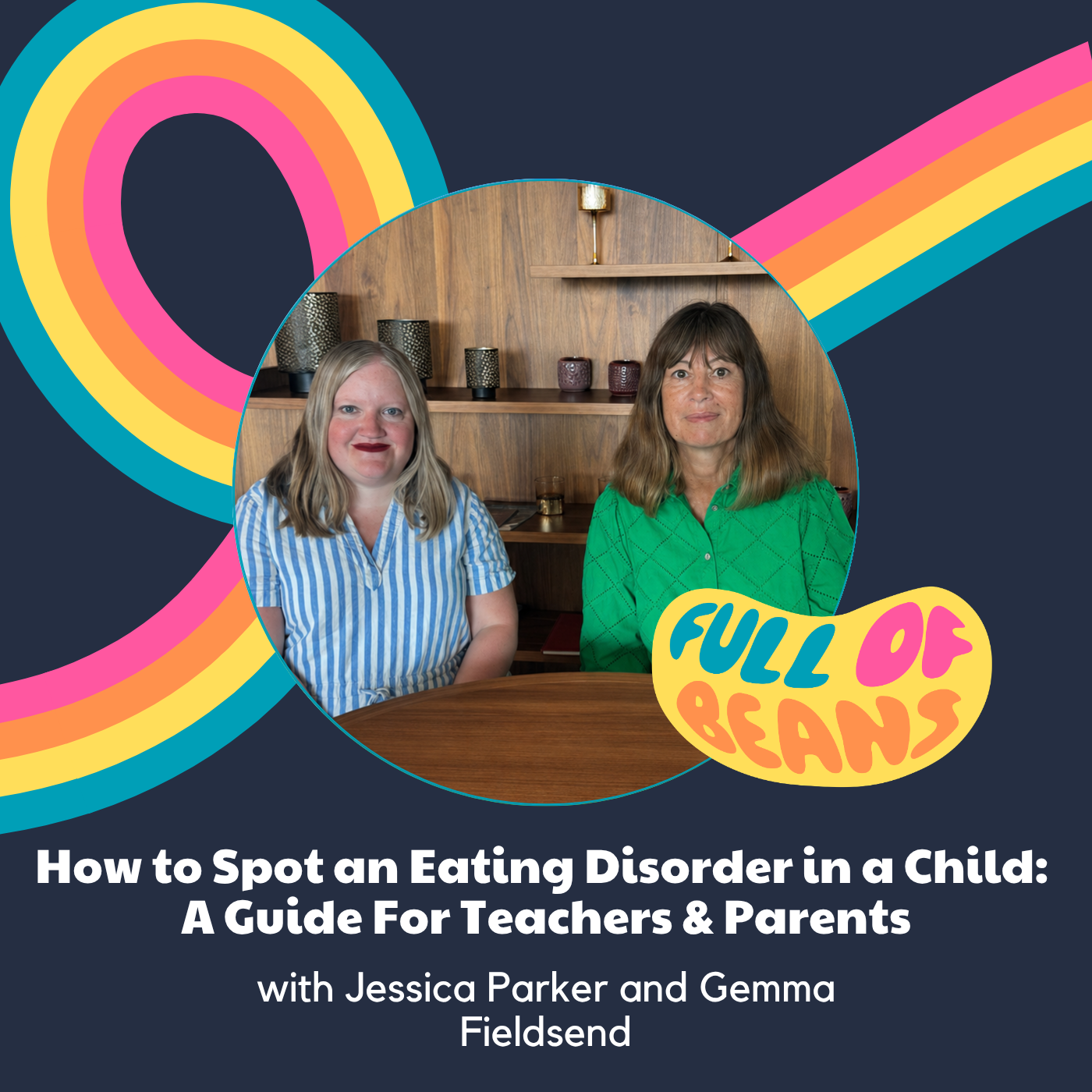
We spoke to Jessica and Gemma, co-founders of Cogspark and specialists in eating disorder training for schools, about what educators should actually be looking for. The short answer: it's rarely what people expect.
Eating disorders don't have a "look"
One of the most important things for teachers to understand is that eating disorders don't have a particular appearance. It's a common assumption that a child struggling with an eating disorder will be visibly underweight, but this simply isn't true for most children affected. Eating disorders, including anorexia, bulimia, binge eating disorder and ARFID (Avoidant/Restrictive Food Intake Disorder), can affect children of any weight, background, age or gender.
This matters enormously for teachers, because waiting for a child to "look unwell" before raising a concern means many children go unnoticed for months, or even years.
Look for change, not appearance
Instead of asking "does this child look like they have an eating disorder?", Jessica and Gemma recommend a much more useful question: what has changed for this child?
That change might look like:
- A child who used to sit happily with friends at lunch now eating alone or avoiding the dining hall
- A child insisting they've already eaten, when staff have reason to believe otherwise
- A child who previously ate a wide range of foods suddenly establishing rigid food rules
- Increased anxiety, irritability, or withdrawal
- New rigidity or perfectionist traits
- Difficulty concentrating or staying focused in class
- Signs of tiredness or physical struggle
- A noticeable change in exercise or movement habits
None of these signs are exclusively about food. In fact, eating disorder behaviours are often the last thing to become visible, not the first.
Why high-achieving children can be the easiest to miss
It's a common misconception that children who are doing well academically don't need checking in on. But high achievement, perfectionism and outwardly "compliant" behaviour can sometimes mask real distress. A child who is getting excellent grades and has strong attendance isn't automatically a child who is doing well emotionally.
Teachers are encouraged to widen their attention beyond the children who are visibly struggling, and consider who else might be sitting quietly at the periphery, managing to hold everything together on the surface.
Understanding ARFID and sensory-related eating difficulties
Not every eating difficulty in the classroom is about weight or body image. ARFID, for example, can involve a fear of choking or vomiting, sensory sensitivities to certain textures or smells, or a general lack of interest in food, and is sometimes dismissed by parents as "they've always been a fussy eater."
It's also worth considering the sensory environment of school itself. A loud, crowded dining hall, unstructured social pressure at lunchtime, and a lack of quiet spaces can all make eating at school genuinely difficult for some children, entirely separate from any issue with the food itself.
How to start a conversation with a concerned child
If you've noticed a change, the goal isn't to diagnose or label; it's to open a door. Jessica and Gemma suggest leading with observation rather than assumption. Instead of "I think you might have an eating disorder," try something like: "I've noticed you've been sitting on your own at lunch lately; how are things going?"
Keep the door open, stay neutral, and avoid pressuring a child to share before they're ready. Simply being noticed by a caring, curious adult can be a powerful first step, even if a child isn't ready to open up straight away.
Talking to parents who haven't raised any concerns
Raising a concern with a parent who hasn't noticed anything themselves can feel daunting. It helps to lead with reassurance rather than alarm: this isn't about blaming a parent's ability to care for their child. Eating disorders are complex conditions with many contributing factors, and by design, they are often hidden extremely well, even from the people closest to a child.
Sharing what you've observed, rather than your interpretation of it, and being clear that the conversation comes from a place of care rather than judgement, tends to make these conversations far easier for families to hear.
Why early recognition matters
When schools, families and support services work together, children's recovery journeys tend to be significantly smoother. Teachers are in a uniquely privileged position to notice change early, often before anyone else does, and that early recognition can make a meaningful difference to a child's outcome.
If you're concerned about a child in your care, trust what you've noticed. You don't need to have all the answers. You just need to be willing to ask the question, and to listen.
Connect with us:
- Subscribe to the Full of Beans Podcast
- Follow Full of Beans on Instagram
- Listen on
YouTube
Recent Posts