What Is ARFID? Cardiff Researcher Sam Chawner on Genetics, Neurodiversity and New Research
How Genetics, Autism and ADHD Connect to ARFID
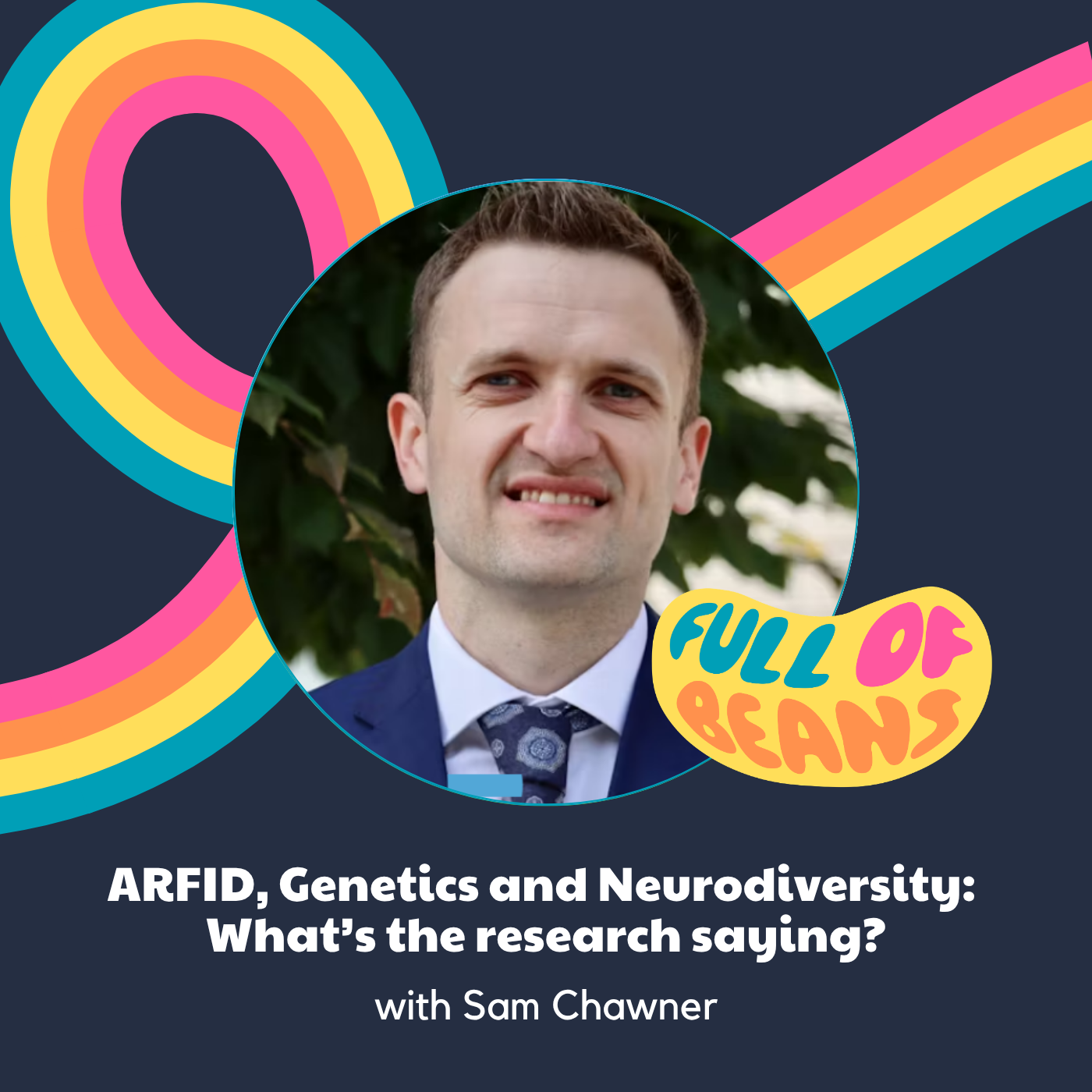
This week I'm joined by Sam Chawner, a senior research fellow at Cardiff University, whose research explores links between eating disorders, genetics, and neurodiversity, with a particular focus on ARFID and pica, two conditions that have historically received little research attention.
Sam is involved in the NHS Wales ARFID Steering Group and the EDGI study, working closely with clinicians, charities and people with lived experience to help shape the future of ARFID research and care.
If you've ever heard someone's eating described as "fussy" or "picky," there's a decent chance what's actually going on is far more complex than that.
What is ARFID?
ARFID (avoidant restrictive food intake disorder) is estimated to affect a similar number of people as autism and ADHD, yet most people have never heard of it, and even clinical understanding is still catching up.
What Does ARFID Research Suggest?
In this week's episode, Sam talks through what actually drives ARFID, from sensory sensitivities to fear of choking, and why it looks so different from person to person. He shares findings from the first ARFID twin study, what they reveal about genetics, and why that research has been meaningful for families who've spent years blaming themselves.
Sam also gets honest about where the evidence runs out, including the lack of large-scale treatment trials, and what's being done to close that gap. That includes EDGI, a major UK study Sam is helping expand to include ARFID, with a new strand now open to families with children under 16.
It's a conversation that challenges a lot of assumptions about who ARFID affects, what causes it, and what meaningful support should look like
The EDGI study
Sam's team is expanding EDGI (Eating Disorder Genetics Initiative), led by King's College London, to include a new strand for children under 16. Families can take part by completing online questionnaires, with the option to submit a DNA sample, helping build the UK's largest ARFID research cohort.
Want to Hear More On ARFID?
This is a genuinely eye-opening conversation, both for anyone with their own experience of ARFID, autism or eating disorders, and for anyone working in a clinical setting who wants to understand what neurodivergent-affirming care can actually look like in practice.
🎧 Listen to the full episode with Sam Chawner on the
Full of Bean podcast, or watch on
YouTube.
⚠️ Content note: This episode discusses eating disorders, ARFID, and restrictive eating. Please take care while listening and thank you to @Nightingale Hospital for sponsoring the podcast.
Recent Posts