Why Hunger and Fullness Can Feel Threatening in Eating Disorders
Gastric Interoception, Body Image and Why Hunger and Fullness Can Feel Overwhelming
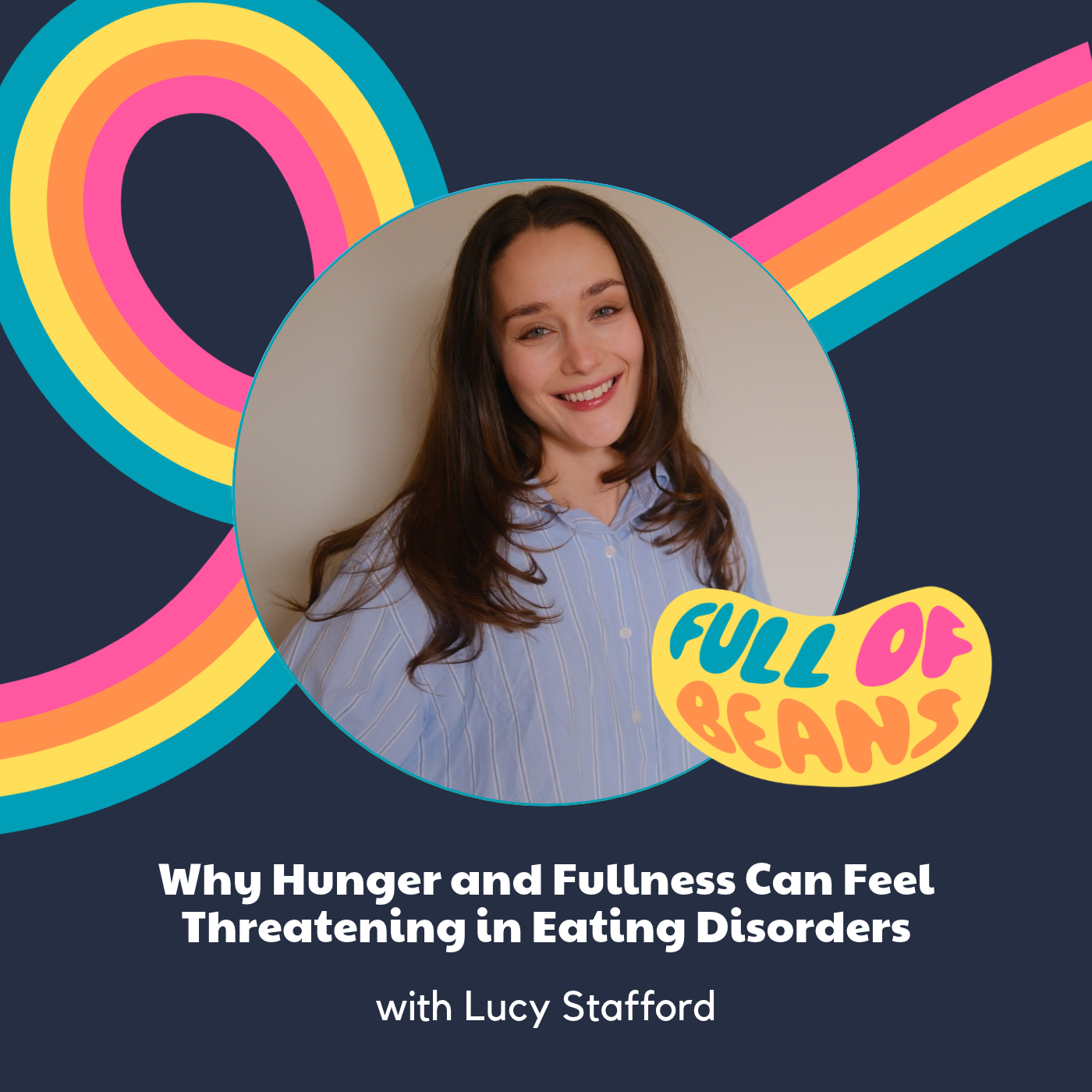
This week I’m joined by Lucy Stafford, a final-year PhD student at the University of York, whose research looks at how we process the sensations of hunger and fullness, and what that means for body image and eating disorders.
Eating disorders are often talked about in terms of food and weight. This conversation looks at something less discussed: the meaning people give to what their body is telling them, and why that can make recovery so hard.
What Is Gastric Interoception, and Why Does It Matter for Eating Disorders?
Interoception is how we process and interpret sensations from inside the body, such as breathing, a rumbling stomach or muscle tension. Lucy explains what gastric interoception means, why we’re usually not aware of most of these signals, and why she’s most interested in how people appraise the sensations of hunger and fullness.
It’s a helpful starting point for anyone who has ever wondered why those sensations can feel so overwhelming, or why recognising them is so difficult.
Hunger Fear and Fullness Shame: What the Research Found
Through focus groups, interviews and a large survey, Lucy and her team developed a way to measure how people with eating disorders appraise hunger and fullness. What they heard from participants was striking, and the findings link these appraisals to different eating disorder behaviours.
Lucy also discusses why the stage of an eating disorder may change how hunger and fullness are experienced, and why this is an area that needs more research.
How Feeling Full Can Change the Way We See Our Bodies
One of the most fascinating parts of the conversation is Lucy’s experiment on how hunger and fullness affect body image. The results raise important questions about why body image concerns can carry on throughout treatment, and even afterwards.
Autism, ARFID and Sensory Overwhelm
The conversation also explores the overlap between sensory overwhelm, anxiety and eating disorders, including whether fear of hunger and fullness might play a part in ARFID. Lucy is clear about what her research has and hasn’t looked at, and where future questions lie.
What Could This Mean for Treatment and Recovery?
Lucy shares her thoughts on how this research could one day help clinicians recognise eating disorders earlier, particularly when people first visit their GP with gastrointestinal complaints. We also talk about approaching hunger and fullness with curiosity rather than judgment, and an early-stage intervention designed to help people tolerate these sensations.
Listen to the Full Conversation
This is an insightful, accessible conversation for anyone with lived experience of an eating disorder, for carers, and for clinicians and researchers who want to understand what sits beneath hunger and fullness in recovery.
🎧 Listen to the full episode with Lucy Stafford on the Full of Beans podcast, or watch on YouTube.
⚠️ Content note: This episode discusses eating disorders, including anorexia, ARFID, restriction and purging, as well as body image, hunger and fullness, and a brief mention of suicidal ideation in a research context. Please take care while listening.
Thank you to
Nightingale Hospital for sponsoring the podcast.
Recent Posts