The GLP-1 Conversation: Why Nuance and Psychological Support Matter with Dr Courtney Raspin
The psychology of weight loss support and eating disorder work is more similar than people think, both are about understanding your relationship with food, compassion, and deeper emotional work - Dr Courtney Raspin
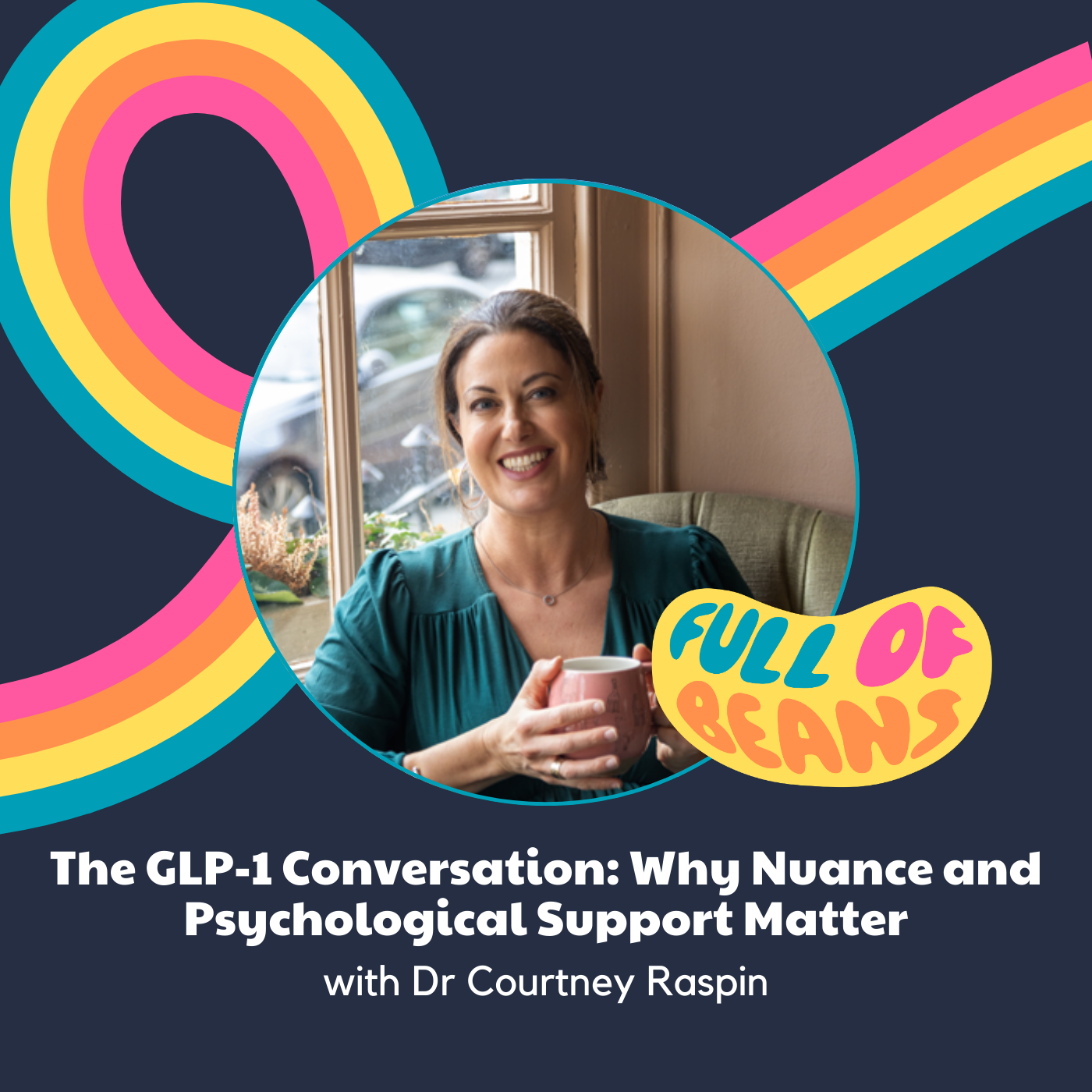
Today I'm joined by Dr Courtney Raspin, a Chartered Counselling Psychologist and Clinical Director of Altum Health, a specialist eating disorders and mental health clinic in London. Courtney has over 25 years of clinical experience, including a decade in one of the NHS's largest eating disorder services.
She's just co-authored a book called The Weight Loss Prescription with psychiatrist Dr Max Pemberton (available 26th Feb!) - a book about the psychology of GLP-1 weight loss medications like Wegovy and Mounjaro. Given her background in eating disorders, Courtney has a nuanced perspective on weight loss medications, which I think is really important to hear.
If you’re in eating disorder recovery and feeling unsettled by the rise of GLP-1 medications… if you’ve noticed feelings of jealousy, confusion or fear around them… or if you’re trying to understand where health support ends and diet culture begins, this conversation is for you.
Key Takeaways:
- How Courtney’s work in eating disorders shaped her approach to weight management
- The warning signs of high drive for thinness
- Why weight loss doesn’t automatically improve body image
- The difference between body neutrality and body positivity
- Why GLP-1 medications aren’t inherently harmful
- The risks of unregulated access, online prescribing, and counterfeit medication
- The various causes of “food noise” and why GLP-1 medications may help
- What psychological support in weight management actually involves
- Courtney’s guidance on GLP-1s and eating disorder recovery
Timestamps:
- 00:00 Courtney’s journey into weight management
- 05:00 Body neutrality and realistic body image work
- 08:30 Understanding GLP-1s: benefits, risks and misconceptions
- 12:00 Food noise and why context matters
- 16:00 The psychological work behind lasting change
- 21:00 Health vs the thin ideal
- 27:00 Tensions within the ED field and professional responses
- 31:30 What to consider before starting GLP-1s
- 34:30 Courtney’s book and final advice
Resources & Links
- Follow @drcourtneyraspin on Instagram
Connect with Us:
- Subscribe to the Full of Beans Podcast
- Follow Full of Beans on Instagram
- Check out our website
- Listen on YouTube
⚠️ Trigger Warning: Mentions of eating disorders (anorexia, bulimia, binge eating), restriction, weight loss, GLP-1 medications, and body image. Please take care when listening.
If you enjoyed this episode, don’t forget to subscribe, rate, and share the podcast to help us spread awareness.
Sending positive beans your way, Han 💛
Recent Posts