Can Cosmetic Surgery Fix Body Dysmorphia?
Surely if I change how I look, I'll fix my body dysmorphia?
What Is Body Dysmorphia (BDD)?
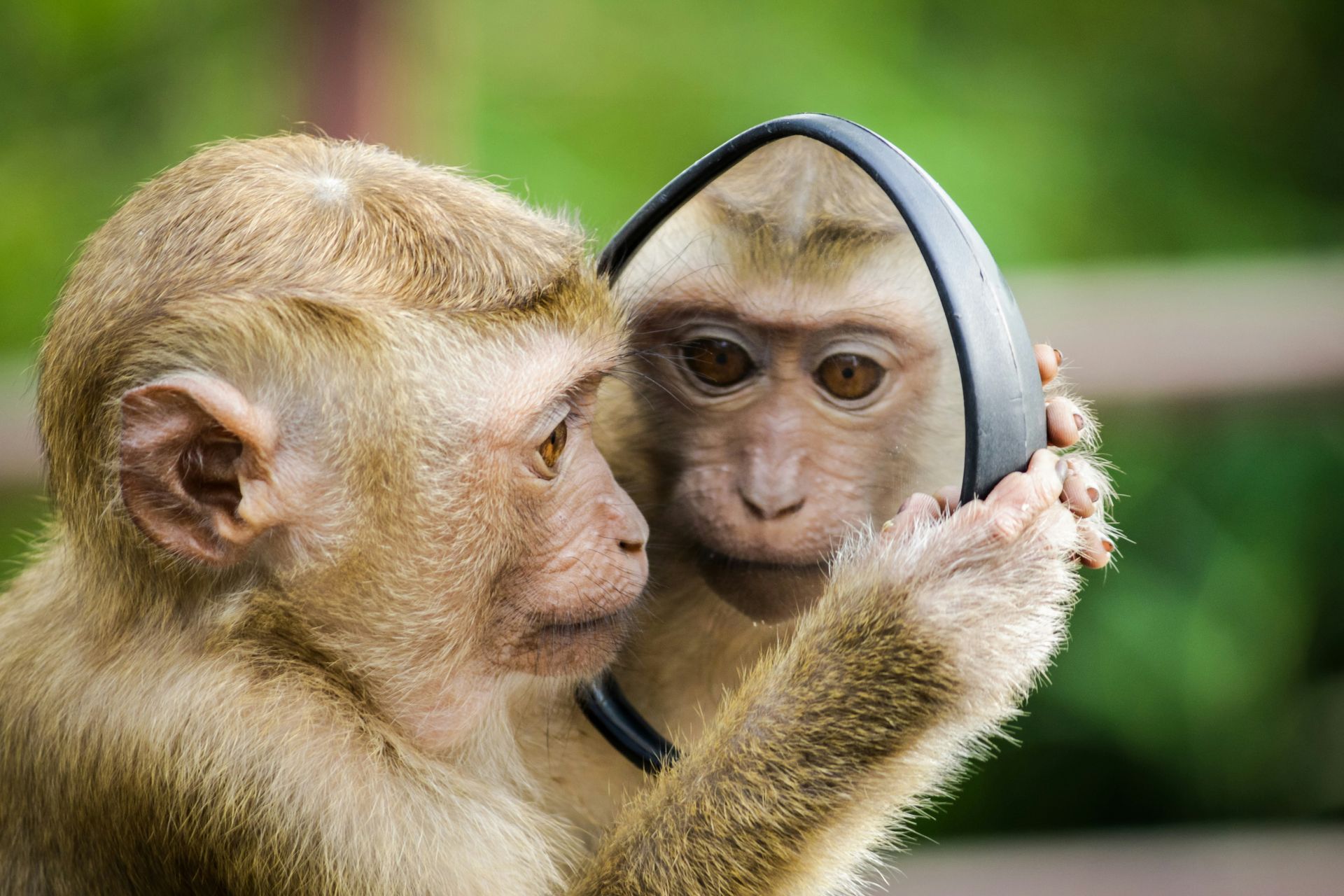
Body Dysmorphic Disorder (BDD) is a serious mental health condition where an individual becomes obsessively preoccupied with perceived flaws in their appearance, flaws that are often minor or entirely invisible to others.
These intrusive thoughts can take over daily life, influencing everything from social interactions to work, relationships, and self-esteem.
People with BDD may fixate on specific body parts, such as the nose, skin, or breasts, and feel extreme distress about how they look. As Brea Cannady, founder of Prepaere, shared on the Full of Beans podcast, these thoughts can become so overwhelming that they affect every waking moment.
Can Cosmetic Surgery Fix BDD?
On the surface, it might seem like cosmetic surgery could be a logical solution to BDD, "fix" the flaw, ease the distress. However, research and lived experience tell a very different story.
While some patients initially feel relief after a procedure, those with BDD often struggle to see the changes made. In Brea's case, after two breast surgeries on a B-cup size, she still couldn't perceive any real difference. This is common among those with BDD, as the issue isn't truly the body part, it's the perception of it.
In fact, studies show that about 98% of people with BDD do not benefit from cosmetic procedures.
Instead of feeling better, patients often:
- Continue to feel dissatisfied
- Shift their focus to a new perceived flaw
- Seek out additional unnecessary procedures
Why Cosmetic Surgery Can Make BDD Worse
When someone believes changing their appearance will fix deeper emotional pain or mental health challenges, they're more likely to experience disappointment. Here's why:
- Unrealistic expectations: Patients may believe that surgery will change their lives, improve their relationships, or resolve their unhappiness.
- Perception distortion: Even after a procedure, BDD can cause individuals to not see any difference or to believe something went wrong.
- Reinforced avoidance: Instead of confronting the root psychological issue, surgery offers a short-term distraction that delays healing.
Brea highlighted how this creates a harmful cycle: procedures → brief relief → ongoing dissatisfaction → more procedures. This spiral can deepen feelings of inadequacy and isolation.
The Role of the Clinician in Safeguarding
So, what can clinicians do? While they aren't psychologists, they do hold a crucial position of trust and influence.
Brea emphasised that clinicians shouldn't be expected to "diagnose" BDD. Instead, their role should be to:
- Ask the right reflective questions
- Offer space and time for patient consideration
- Educate patients on psychological risks
- Signpost to appropriate support
Rather than rushing into treatment, clinicians can empower patients to reflect deeply on their motivations and expectations.
How Prepaere Supports Ethical & Safe Aesthetic Practice
To bridge the gap between mental health awareness and cosmetic practice, Brea developed Prepaere: a digital safeguarding tool for aesthetic clinics and practitioners.
Prepaere helps by:
- Offering a private, reflective questionnaire before treatment
- Prompting patients to explore their motivations and expectations
- Providing digestible education on body image and BDD
- Highlighting psychological red flags for practitioners without putting them in the role of therapist
- Giving access to a free Patient Hub with resources, support links, and podcasts
Importantly, it's not a screening tool or test. It doesn’t assess whether someone should or shouldn't have treatment. Instead, it provides a compassionate pause to reflect.
Final Thoughts
Cosmetic procedures can support self-confidence when used with realistic expectations and healthy motivations. But when used as a tool to treat BDD, they often miss the mark.
It’s not about denying access to treatments, it’s about creating space for informed, safe, and empowered decisions. With resources like Prepaere, the aesthetic industry can move toward a more ethical, patient-led future.
You can listen to the episode with Brea on Full of Beans podcast!
Sending positive beans your way,
Han 💛
Recent Posts